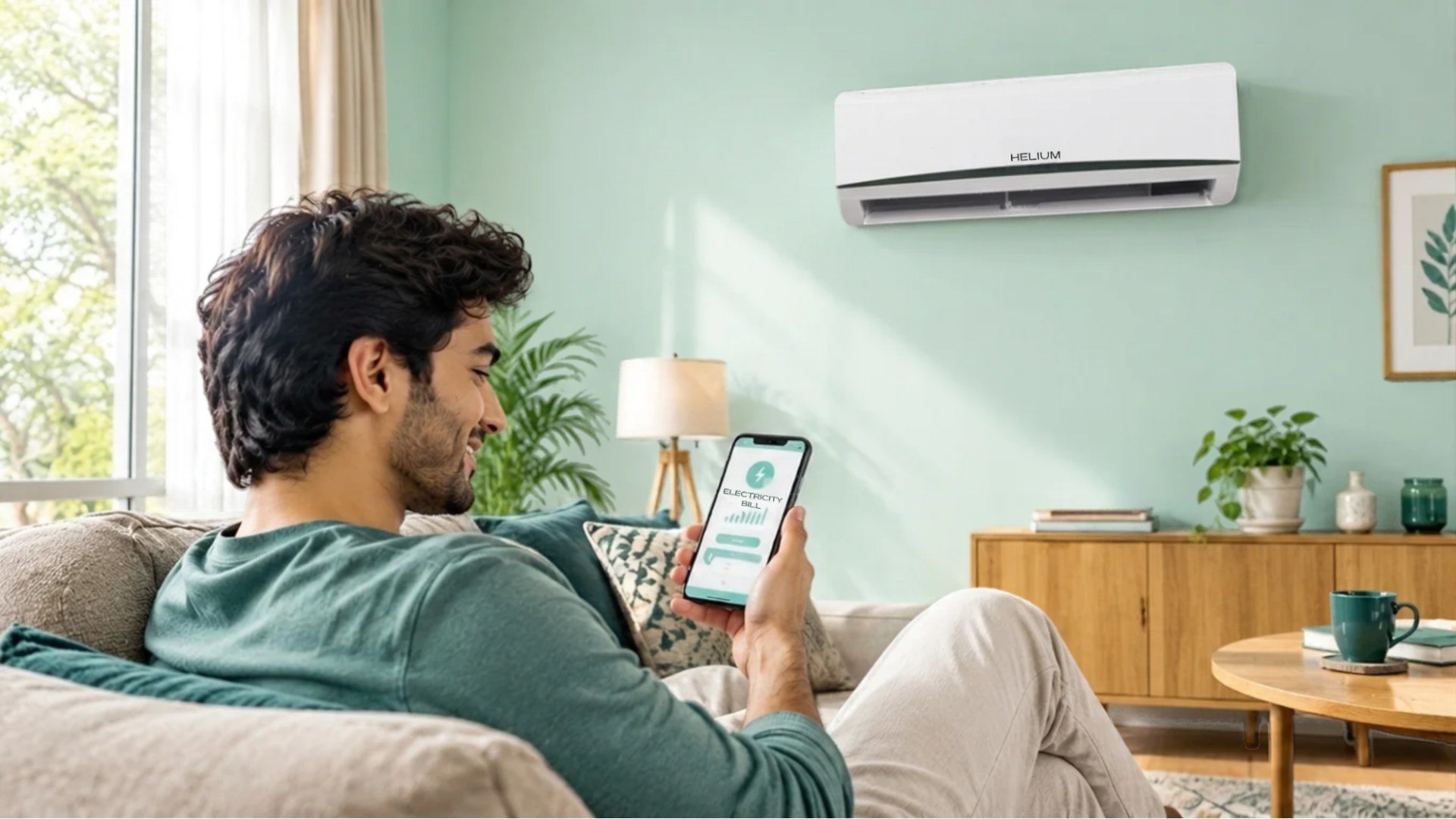
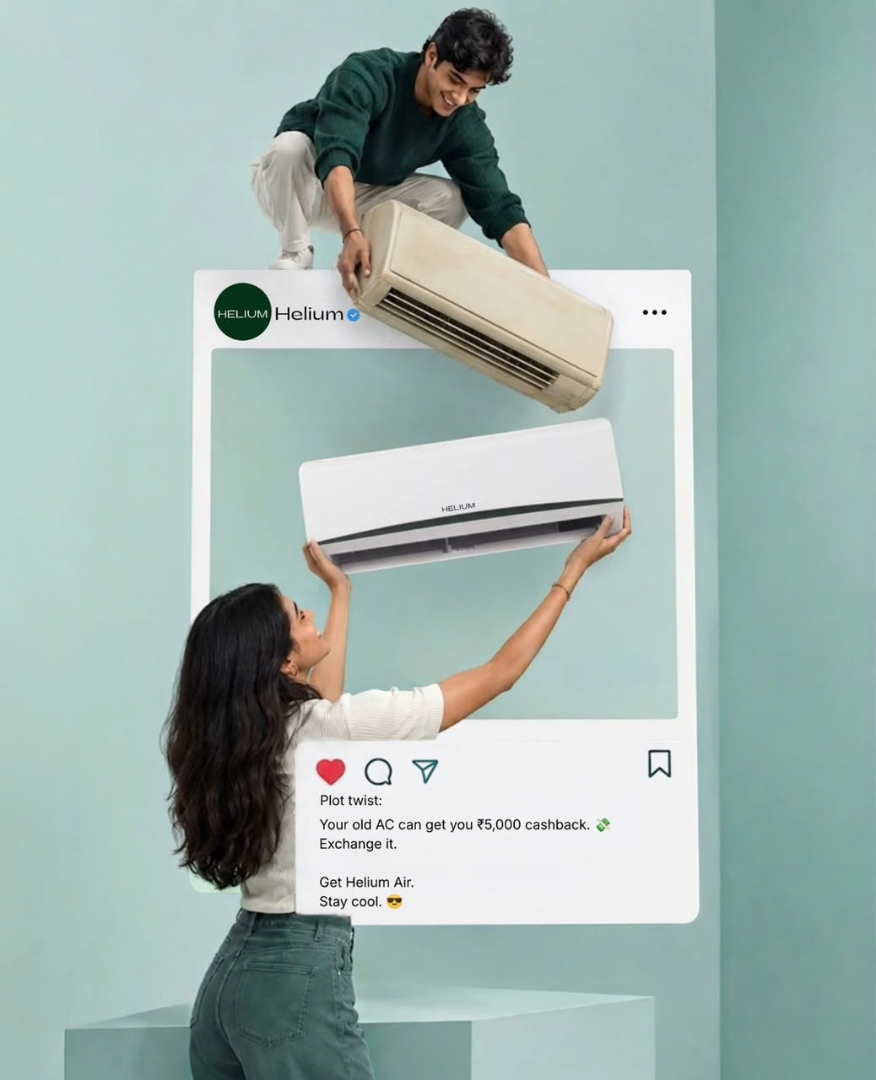
Finding an AC for a PG room isn't quite the same as buying one for your family home. Most single-occupancy rooms in cities like Bangalore, Pune, Gurugram, Hyderabad, and Delhi are compact, often around 100–120 sq. ft. Yet many people still automatically look for a 1.5-ton AC.
For a small room, that's not always necessary.
If you're renting a PG room, hostel, or single room and paying your own electricity bill, the better approach is to choose an AC based on room size, heat load, occupancy, and daily usage. For rooms that are 100–120 sq. ft., a 0.8-ton or 1-ton inverter AC can be a practical choice.
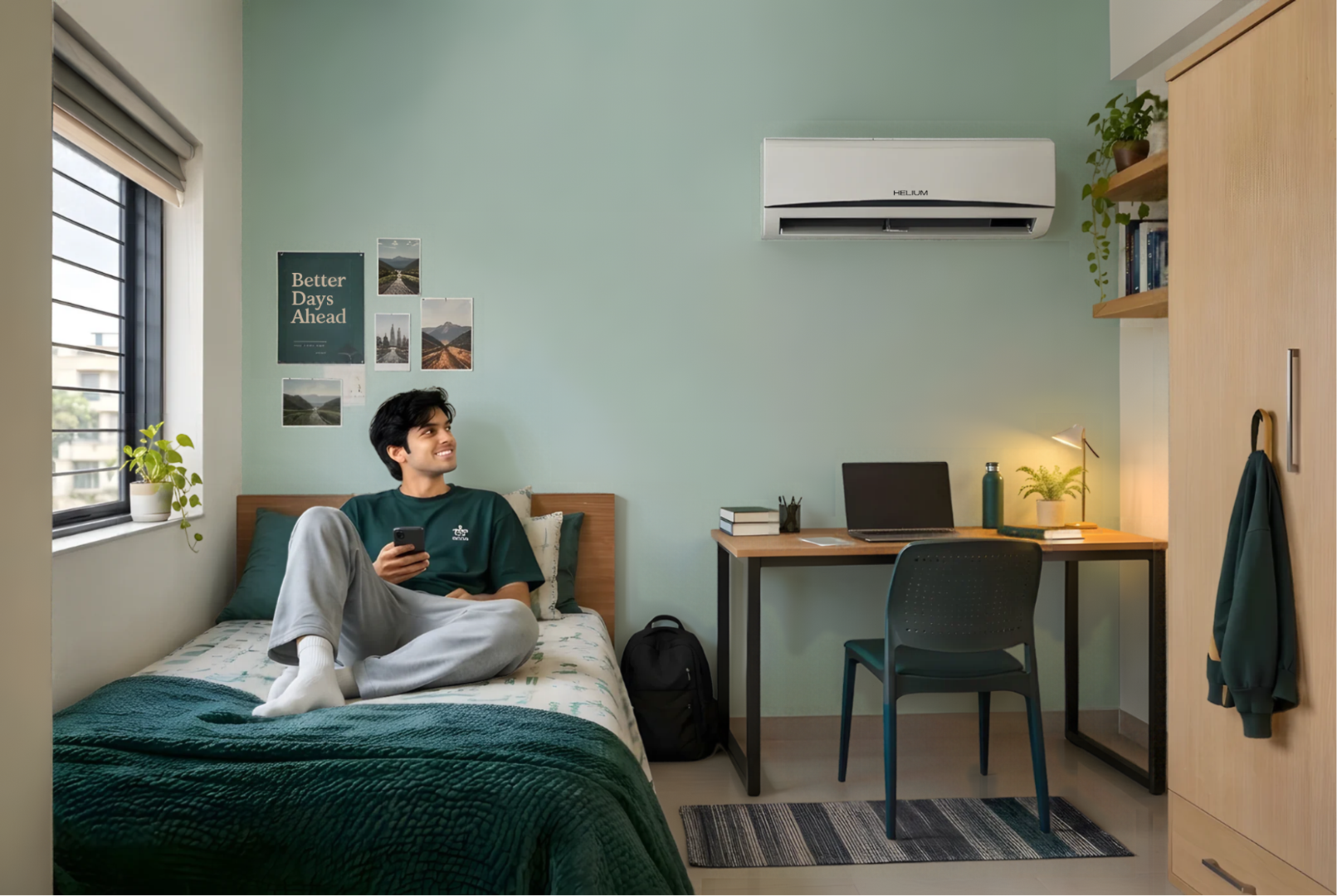
What Size AC Is Best for a PG Room?
For a typical 100–120 sq. ft. double-occupancy room, a 0.8-ton inverter AC can be sufficient when the room has reasonable insulation and moderate sunlight.
A 1-ton AC is worth considering if the room:
- ●Gets strong afternoon sunlight
- ●Is on the top floor
- ●Has poor insulation
- ●Heats up quickly during summer
A 1.5-ton AC is generally more suited to larger rooms of 150+ sq. ft. with a particularly high heat load.
| Room size | AC capacity to consider |
|---|---|
| Up to 100 sq. ft. | 0.8 ton |
| 100–120 sq. ft. | 0.8–1 ton |
| 120–150 sq. ft. | 1 ton |
| 150+ sq. ft. | 1–1.5 ton |
Why Consider a 0.8 Ton AC for a PG?
A 0.8-ton AC makes sense when you're cooling a small room..Compared with buying a larger tonnage AC than you need, a 0.8-ton inverter AC can offer:
- ●Lower upfront cost & monthly electricity bill
- ●Lower power requirement
- ●Perfect cooling for compact rooms
- ●Efficient inverter operation
- ●Less unnecessary cooling capacity
What Should You Check Before Buying?
Tonnage isn't the only thing that matters, especially when you're buying an AC for a rented room.
- 1. Inverter compressor: If you're going to run the AC every night, an inverter model is worth considering. It can adjust compressor speed according to the cooling requirement instead of simply running at full capacity.
- 2. ISEER rating: If you pay your own electricity bill, check the ISEER rating and annual energy consumption on the BEE label rather than looking only at the star rating.
- 3. Noise level: Your AC will probably be sitting a few feet away from your bed. Check the manufacturer's indoor noise specification if you're a light sleeper.
- 4. Copper condenser: Copper coils are generally preferred for durability and serviceability. But also compare the warranty and after-sales service available in your city.
Helium Air 0.8 Ton AC: Is It Suitable for a PG Room?
If you're specifically looking for a compact AC, the Helium Air 0.8 ton is designed around the requirements of smaller rooms.
It offers a 2700W cooling capacity and a 4.4 ISEER rating, along with features such as:
- ●Operation at ambient temperatures up to 52°C
- ●100% copper coil
- ●App-based controls
- ●AI-based cooling
- ●Gas leak detection and machine health tracking
- ●10-year compressor warranty
For a 100–120 sq. ft., Helium Air’s 0.8-ton capacity makes it worth considering, particularly if you want to avoid buying a larger AC that may cut a hole in your pocket, both during purchase and monthly electricity bill.
How Much Does a Helium Air Cost to Run?
The Helium Air runs at approximately ₹30 per day, depending on usage and electricity rates.
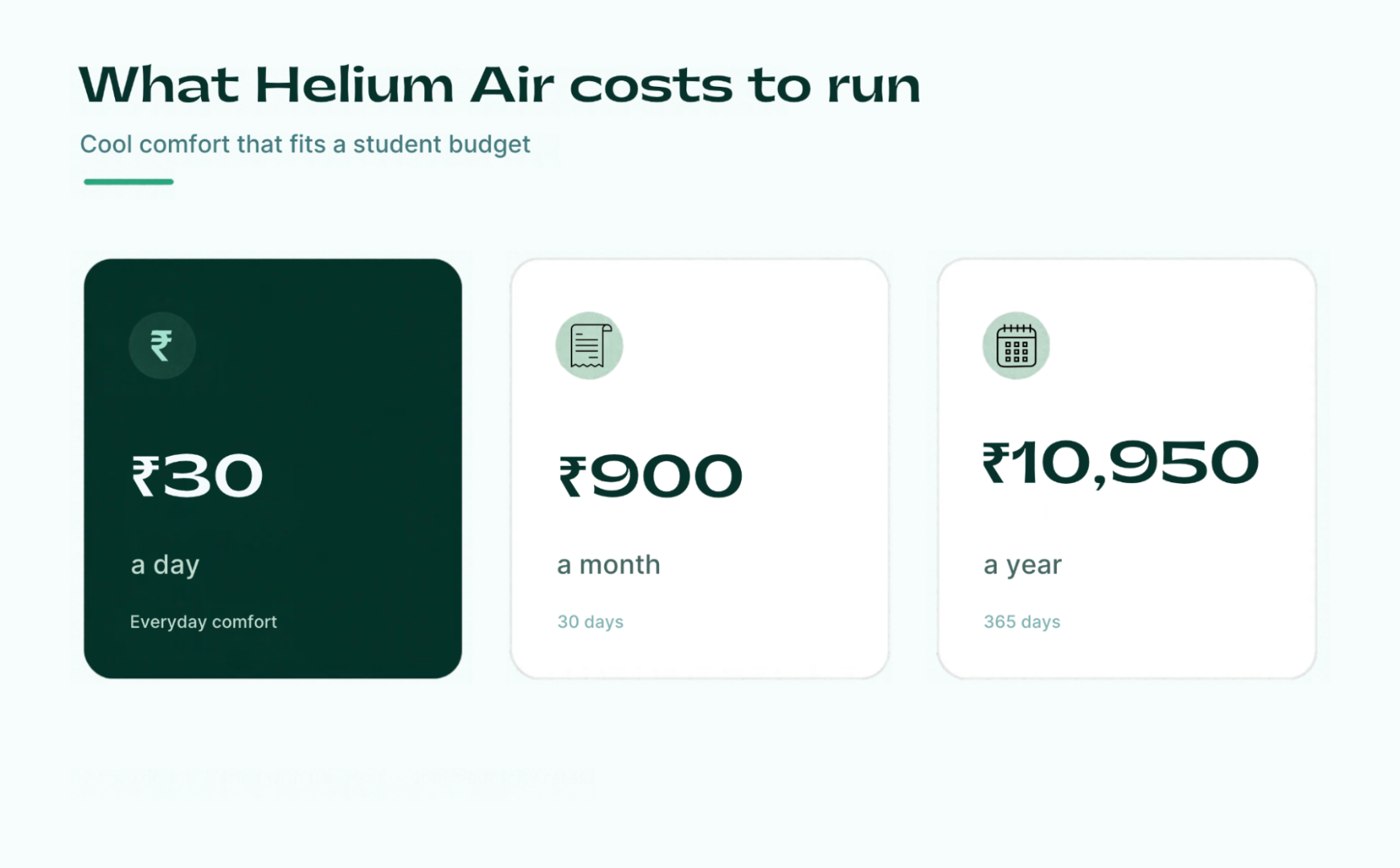
So, if you use the AC regularly, you can budget around ₹900 per month for its electricity consumption.
FAQs
Q. What size AC is best for a 100 sq. ft. PG room?
A. A 0.8-ton inverter AC can be suitable for a 100 sq. ft. single or double occupancy room with moderate heat gain. Consider 1 ton if the room gets strong sunlight or has poor insulation.
Q. Is Helium Air enough for a hostel room?
A. Yes, it can be suitable for a small single-occupancy hostel or PG room, particularly around 100–120 sq. ft. Room conditions and occupancy should also be considered.
Q. Is a 1.5-ton AC too big for a 100 sq. ft. room?
A. It may provide more capacity than a typical 100 sq. ft. room requires. The actual requirement depends on heat load, insulation, sunlight, and occupancy.
Q. Which is better for a PG room: 0.8 ton or 1 ton?
A. For a small single room, 0.8 tons can be sufficient under normal conditions. Choose 1 ton if you have higher heat gain, poor insulation, or more than one occupant.
Q. Is an inverter AC worth it for a PG room?
A. If you use the AC regularly, an inverter model can be worth considering because it adjusts compressor output according to cooling demand. Compare the purchase price with the expected electricity usage and how long you plan to stay in the room.
The Real Deal:
For most 100–120 sq. ft. single-occupancy PG rooms, a 0.8-ton inverter AC is a practical option to consider. If the room gets heavy sunlight, is on the top floor, has poor insulation, or has two occupants, a 1-ton model may make more sense.
Before buying, look beyond tonnage. Compare ISEER, energy consumption, noise, warranty, installation costs, and your PG's electricity rules.
The best AC for a PG room isn't necessarily the biggest one. It's the one that matches the size and heat load of your room, your usage, and your budget.