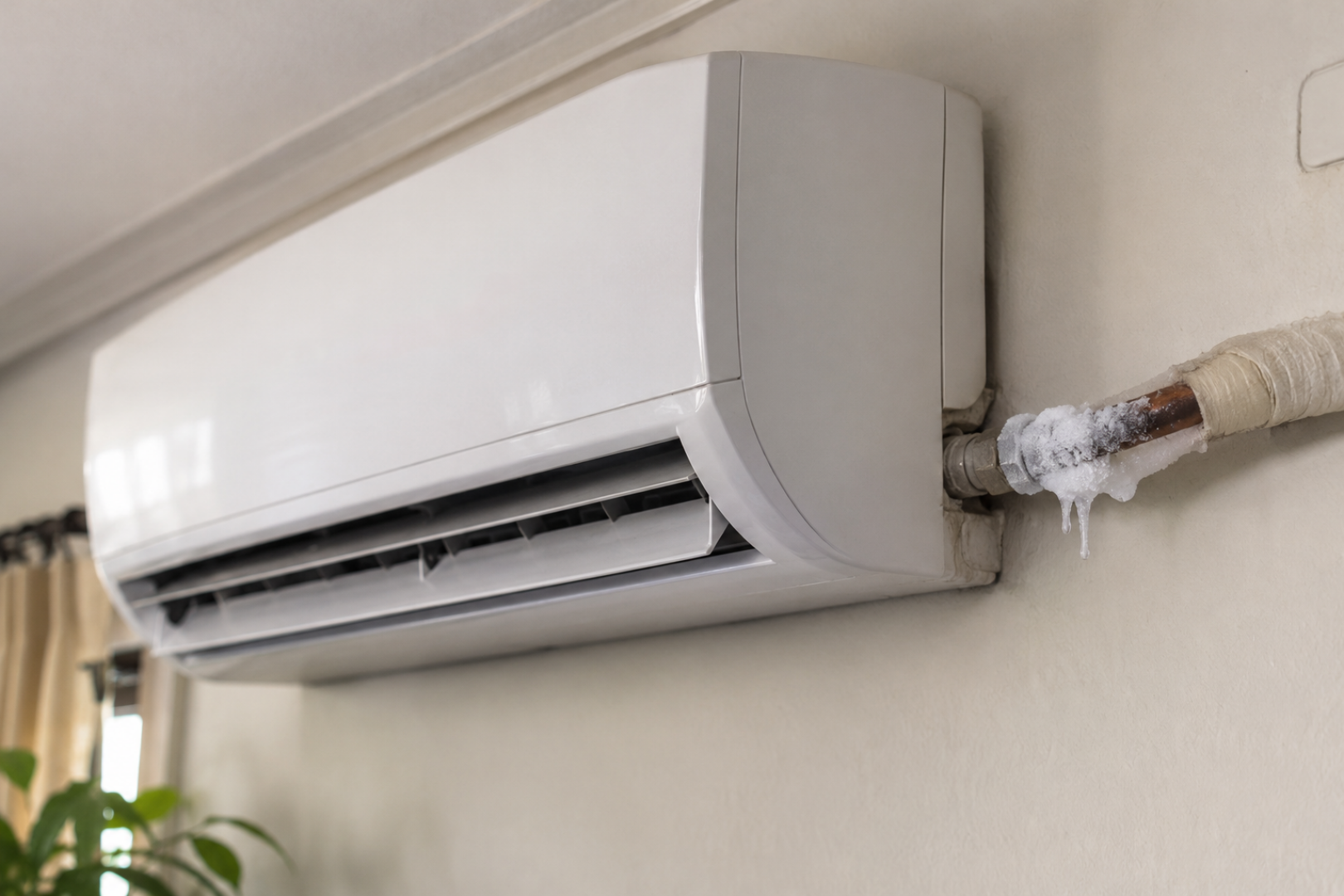
It’s 3 PM. Your AC has been running for an hour, but your bedroom still feels warmer than it should.
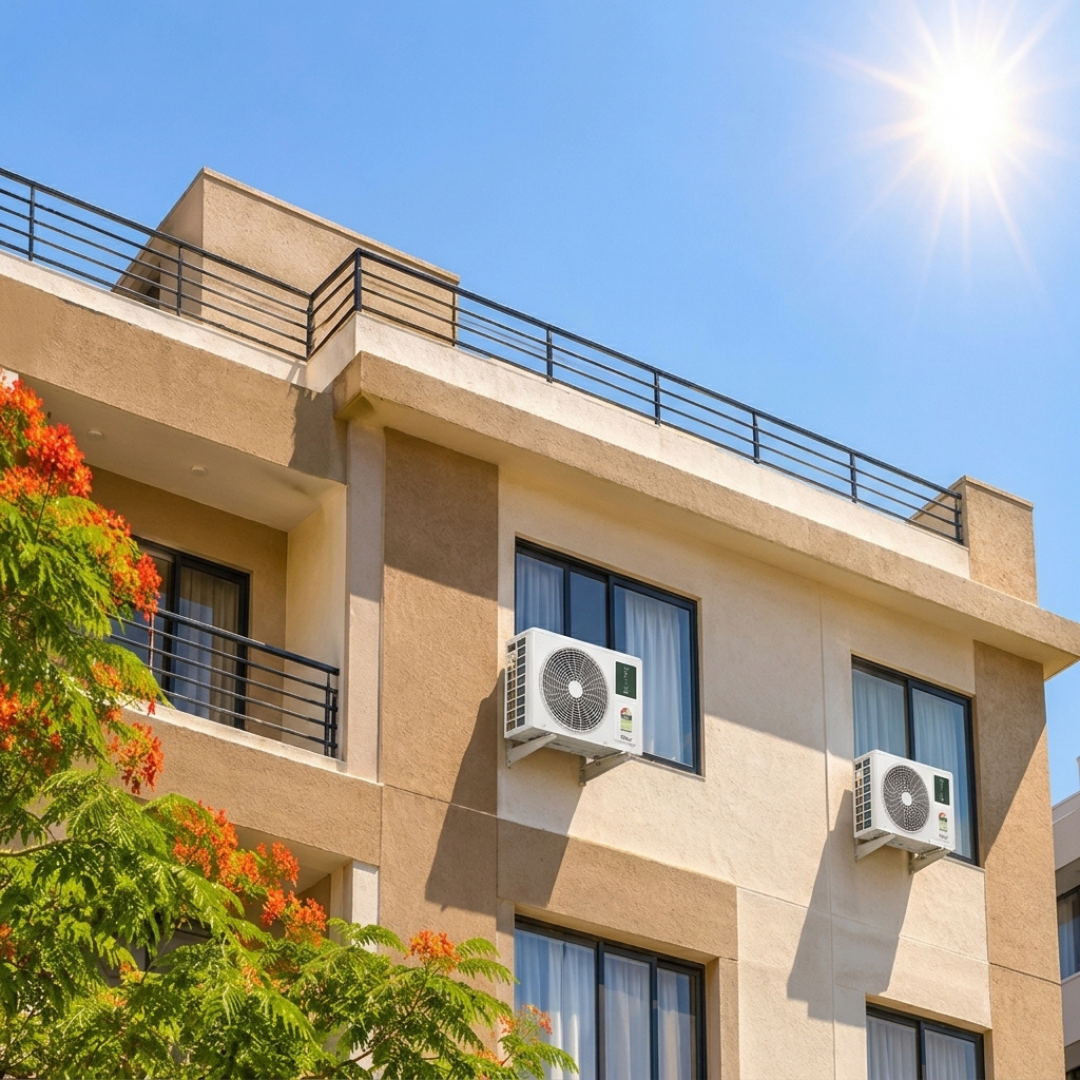
If you live on the top floor, the problem might not be your AC alone. It could be the roof above you. Unlike apartments on lower floors, top-floor homes receive direct heat through the roof. Add afternoon sunlight, large windows or poor insulation, and your AC has more heat to deal with.
So, does living on the top floor mean you need a bigger AC?
Not necessarily.
Why Are Top - Floor Apartments Hotter?
During the day, the outside temperature regulates the conditions of the rooms on the top floor. The amount of heat that eventually enters the room depends on factors such as:
- ●Roof insulation
- ●Roof material and colour
- ●Direct sunlight
- ●Window size and direction
- ●Ceiling height
- ●Ventilation
This is why two rooms of the same size may need different cooling. A top-floor bedroom with direct sunlight and a poorly insulated terrace can have a higher heat load than the same-sized bedroom on a lower floor.
Can an AC Cool a Top - Floor Room?
Yes.
An AC can cool a top-floor room, but the AC has to remove both the heat already inside the room and the heat continuously entering from outside.
Before choosing an AC, consider:
- 1. Room size - AC capacity should match your room size. Buying an AC that is too small can lead to longer cooling times and continuous operation.
- 2. Heat entering the room - A room facing direct afternoon sunlight or located directly below a hot terrace will have a higher cooling requirement.
- 3. Outdoor temperature - The outdoor unit has to reject heat outside. During extreme summer temperatures, an AC designed to operate in high ambient conditions can be important.
Don’t choose an AC based on tonnage alone. Room conditions matter too.
How to Keep a Top - Floor Room Cooler
You don’t always need to solve the problem by buying a bigger AC. Reducing heat entering the room can make a noticeable difference.
- 1. Block direct sunlight - Close curtains or blinds during the hottest part of the day. Windows exposed to direct sunlight can add significant heat to a room.
- 2. Improve roof insulation - If your apartment is directly below the terrace, roof insulation or reflective roof treatments can reduce heat transfer into the room.
- 3. Seal gaps - Gaps around windows and doors allow hot outdoor air to enter and cooled air to escape.
- 4. Keep your AC filters clean - Dirty filters can restrict airflow and affect cooling performance.
- 5. Get the installation right - Correct installation and suitable placement of the indoor and outdoor units are important for AC performance.
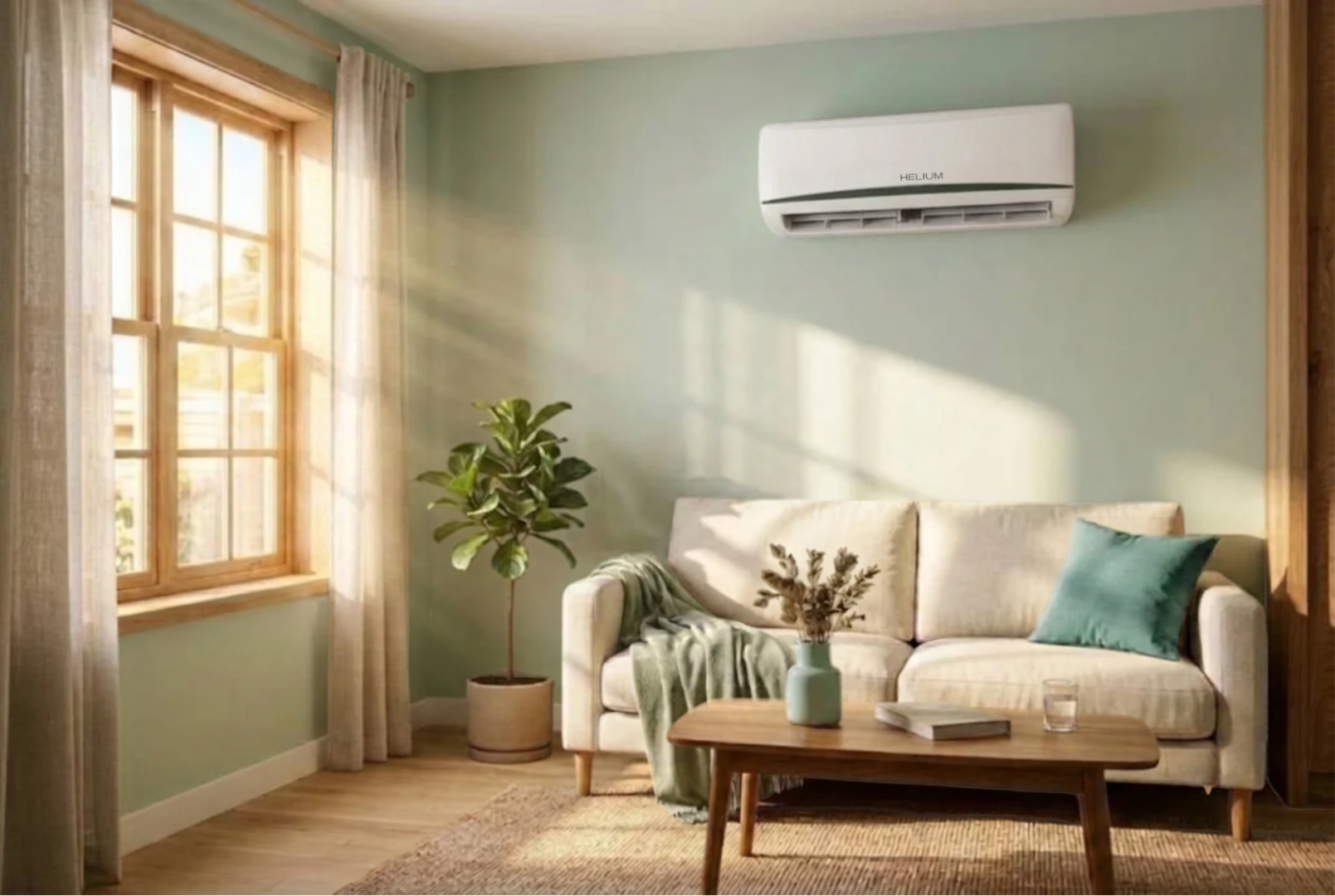
What Should You Look for in an AC for Extreme Heat?
When buying an AC for a top-floor apartment, check more than just its tonnage.
- 1. High-temperature performance: Check the manufacturer’s specified operating range, especially if your city experiences extreme summer temperatures.
- 2. Energy efficiency: Look at the BEE energy label and ISEER rating. A higher ISEER rating indicates better efficiency under standard testing conditions, although actual electricity consumption will vary based on usage and room conditions.
- 3. Correct capacity: An undersized AC may struggle to cool a high-heat room. An oversized AC isn’t automatically the answer either.
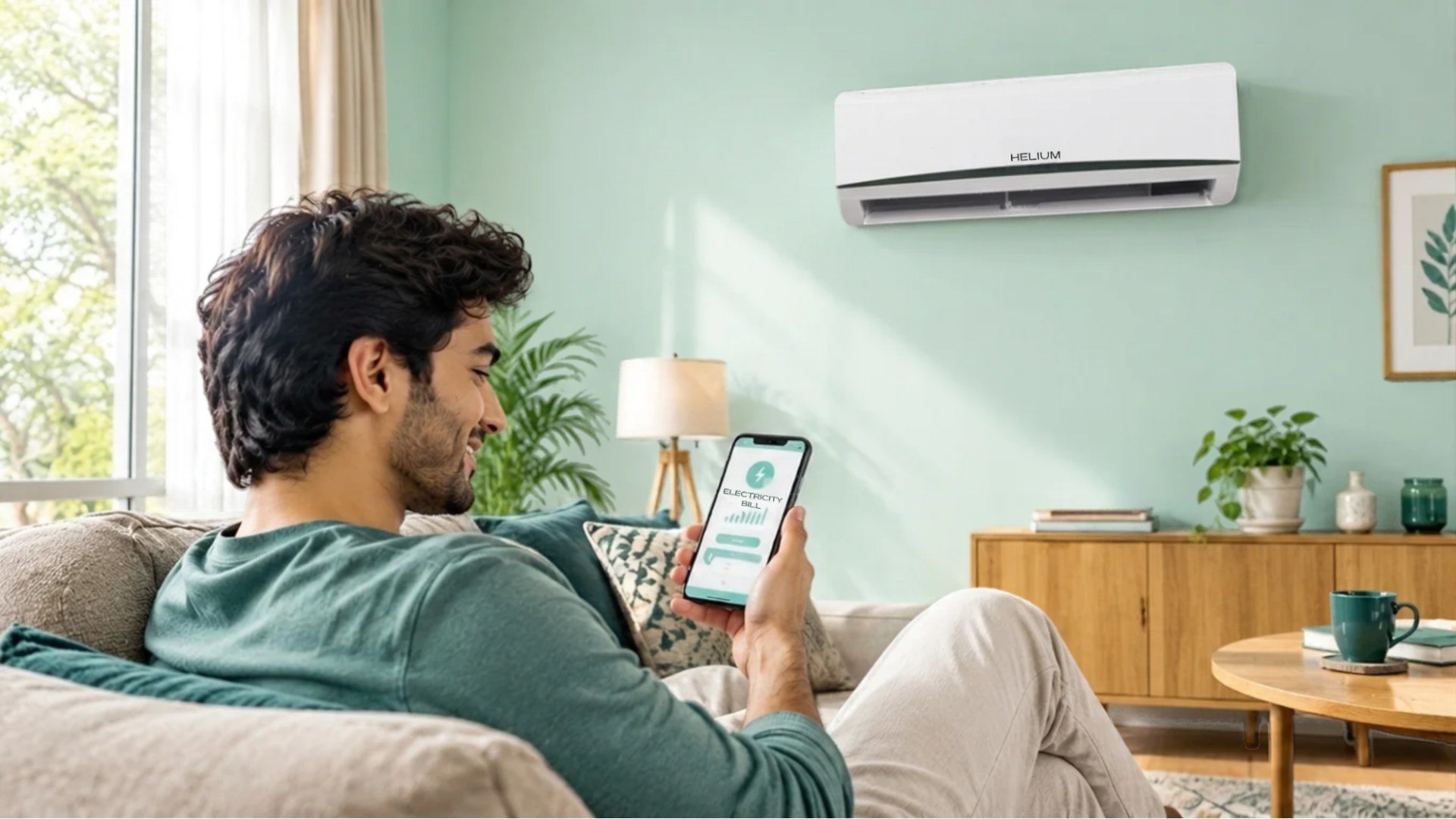
- 4. Electricity monitoring: Knowing how much electricity your AC is using can help you understand your cooling habits and spot unusual changes.
How Helium Air Fits Into Extreme Summer Cooling
A top-floor room needs an AC that can handle demanding conditions.
Helium Air is designed to operate at outdoor temperatures of up to 52°C, making it suitable for high-ambient summer conditions.
It also offers:
- ●4.4 ISEER rating under the stated 2026-27 BEE label
- ●Real-time electricity tracking through the Helium App
- ●Machine-health monitoring
- ●Built-in gas-leak detection
- ●10-year compressor warranty
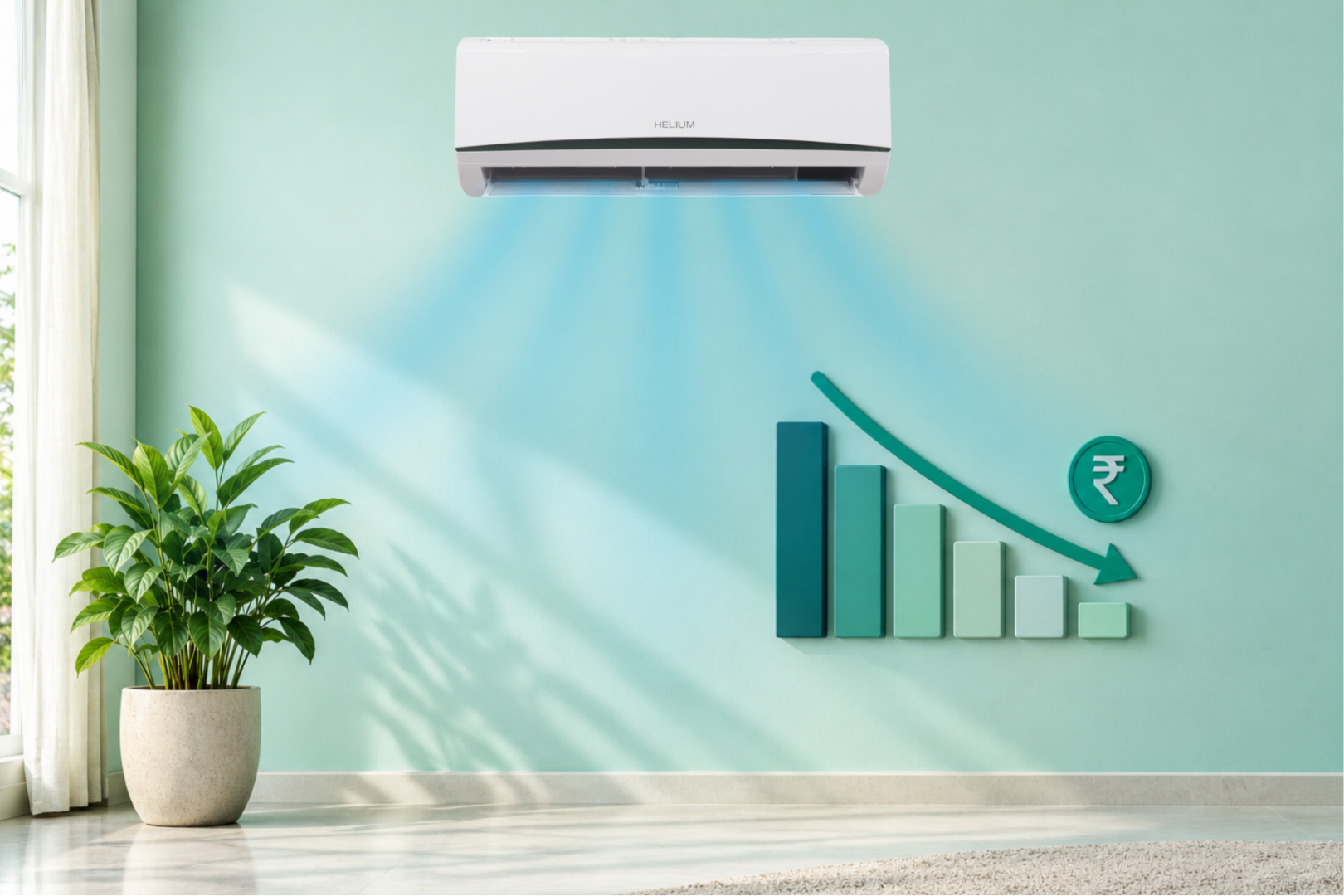
Helium also estimates a running cost of approximately ₹30 per day based on average usage of around 8-9 hours. Actual electricity costs will depend on usage, room conditions, outdoor temperature and local electricity tariffs.

Frequently Asked Questions:
Q. Can an AC cool a top-floor apartment?
A. Yes. The right AC capacity, proper installation and reduced heat entering the room can provide effective cooling.
Q. Does a top-floor room need a bigger AC?
A. Not always. The right capacity depends on room size, insulation, sunlight, ceiling height and the overall heat load.
Q. Can an AC work when the temperature outside is 45-50°C?
A. Some AC models are designed to operate in high ambient temperatures. Always check the manufacturer’s specified operating range.
Q. How can I reduce my AC electricity bill on the top floor?
A. Block direct sunlight, improve insulation where possible, clean your AC filters and choose an energy-efficient AC suited to your room.
Q. How can I track my AC’s electricity usage?
A. Helium users can monitor their AC’s electricity consumption in real time through the Helium App.
The Real Deal:
Living on the top floor doesn’t mean you have to compromise on cooling.
The biggest challenge is the extra heat entering your room through the roof and windows. Choose the right AC capacity, reduce heat entering the room and check whether the AC is designed to perform in your city’s summer temperatures.
With high-ambient temperature operation, electricity tracking and machine-health monitoring, Helium Air is built to give users better visibility into their everyday cooling.
Extreme heat outside doesn’t have to mean less comfort inside.