There's nothing more frustrating than an air conditioner that fails to cool, especially during peak summer. While it may seem like a serious issue, most cooling problems are caused by common and easily fixable factors.
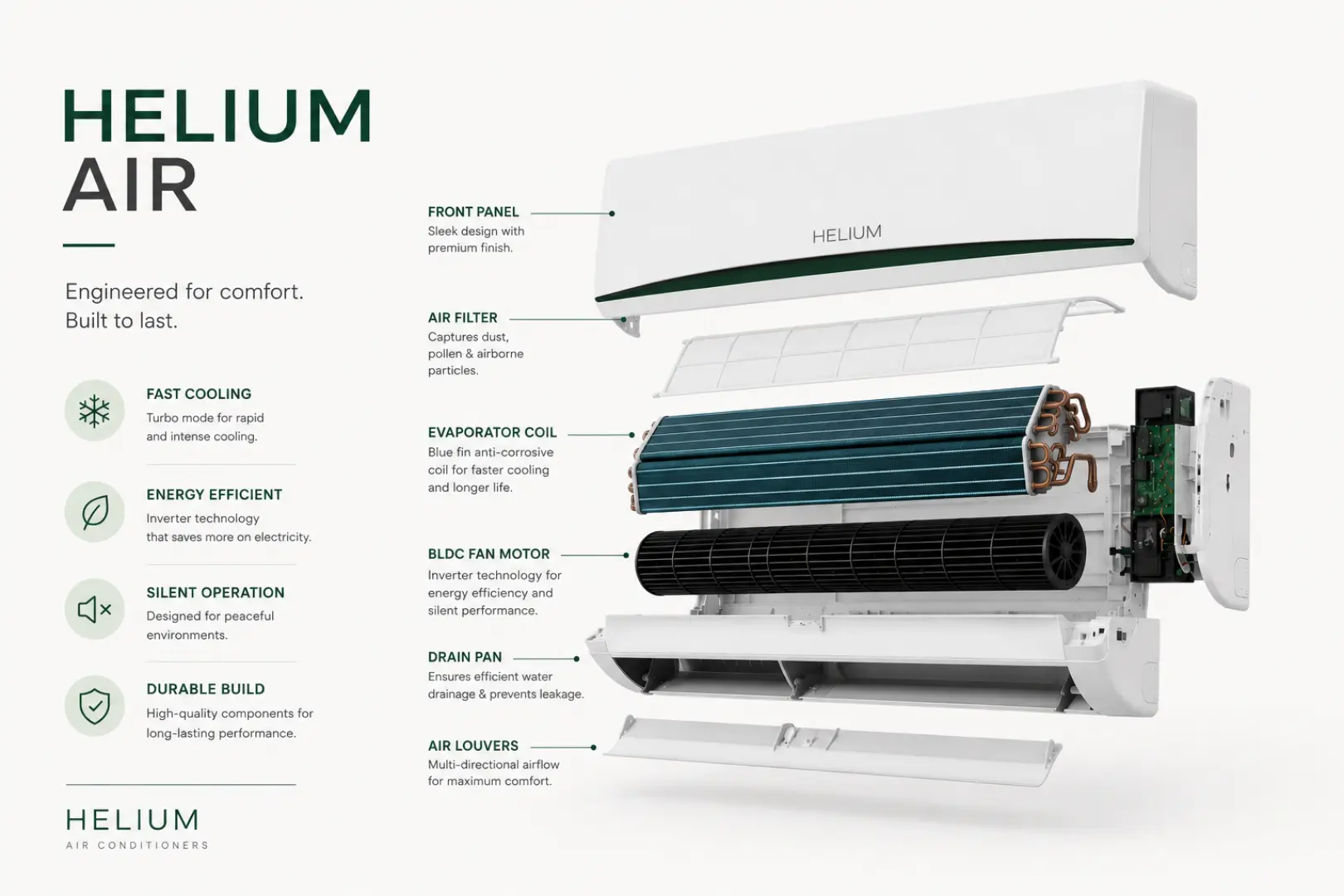
An explicit component list that is responsible for the AC's performance -
- ●Compressor - The Heart of the AC
- ●Condenser Coil - Heat Rejection Unit
- ●Evaporator Coil - Cooling Generator
- ●Expansion Valve - Flow Controller
- ●Blower Fan - Indoor Air Circulation
- ●Condenser Fan - Outdoor Heat Removal
- ●Refrigerant - Cooling Medium
- ●Air Filters - Air Quality + Airflow
Air conditioners don't just get dirty because of dust in the air. In many cases, internal issues like low refrigerant levels and a dirty or frozen evaporator coil actually make dirt buildup happen faster and more severely.
When refrigerant levels are low, the cooling cycle becomes unbalanced. This causes the evaporator coil to get excessively cold, leading to ice formation. As this ice melts, it creates moisture inside the unit. Dust in the air then sticks more easily to these damp surfaces, forming a layer of grime much quicker than usual.
Another overlooked factor is the outdoor unit. If it's blocked by dust or debris, it cannot release heat efficiently. In some cases, the issue is as simple as incorrect thermostat settings, such as using fan mode instead of cool mode.
Room size also plays a key role, and that is where Helium comes in. An Air Conditioner that isn't suited for your space will struggle to deliver consistent cooling. Modern systems designed for compact spaces (like up to 120 sq.ft.) ensure optimised performance without overworking the unit. Features such as auto-convertible cooling and intelligent airflow can further enhance efficiency.
In rare cases, gas-related issues, like refrigerant leakage or contamination, can impact cooling. Advanced air conditioners today come with built-in gas leakage detection and smart alerts, helping you identify problems early before they become serious.
Simple AC Maintenance Tips You Can Do Yourself (and Why They Matter)
- ●Clean the Air Filters Regularly - Dust builds up quickly on filters, especially in everyday home environments. Cleaning them every few weeks ensures smooth airflow, which helps the AC cool faster and use less electricity.
- ●Keep Indoor Airflow Unblocked - Make sure furniture, curtains, or other objects aren't blocking the airflow. Clear circulation allows cool air to spread evenly across the room, preventing hot spots and overworking the unit.
- ●Clean Around the Outdoor Unit - The outdoor unit needs space to release heat. Removing dust, leaves, or debris around it improves heat exchange, which directly boosts cooling performance indoors.
- ●Use the Right Temperature Setting - Setting your AC between 24–26°C keeps the room comfortable without overloading the system. Lower temperatures don't cool faster—they just increase energy consumption.
- ●Check for Early Warning Signs - Pay attention to signs like weak cooling, water leakage, ice formation, or unusual noise. Catching these early can prevent costly repairs and bigger system failures.
- ●Turn Off When Not Needed (or Use Timer) - Avoid running the AC in an empty room. Using a timer or sleep mode reduces unnecessary usage, helping you save electricity and extend the life of the unit.
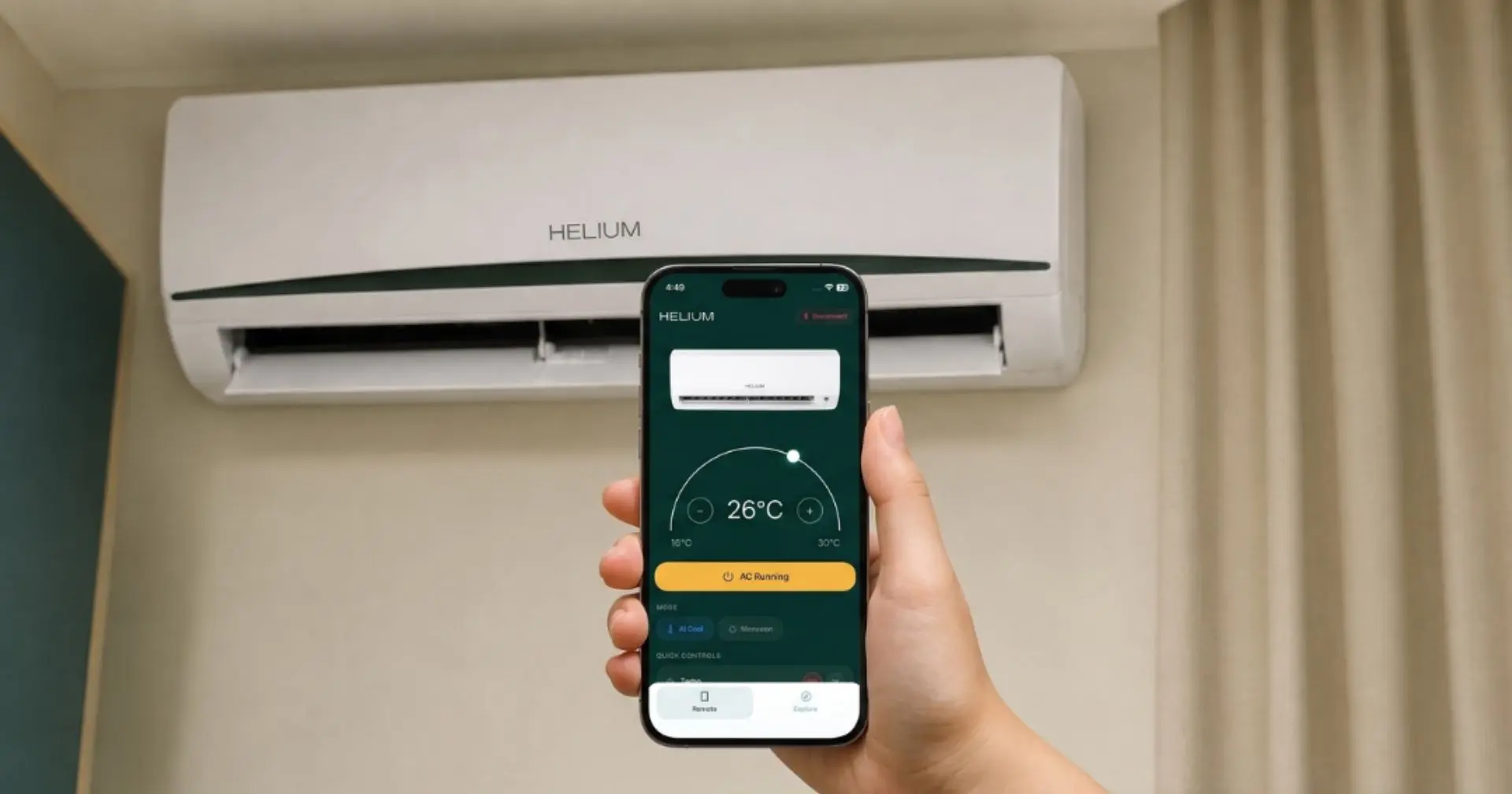
Helium App – In a Nutshell
The Helium app gives you complete control of your AC right from your smartphone, no matter where you are. You can easily adjust temperature, switch modes, and set schedules to match your daily routine. It also helps you track energy usage, so you can optimise cooling and save on electricity bills. With smart alerts, you'll be notified about maintenance needs or gas leakage issues in real time. Overall, the Helium app makes your cooling experience smarter, more efficient, and completely hassle-free.
Quick Tips to Improve Cooling
- ●Clean or replace air filters regularly.
- ●Set the temperature to an optimal range (22-24°C).
- ●Keep the outdoor unit clean and unobstructed.
- ●Watch for signs of gas leakage (ice buildup, weak airflow).
- ●Service your AC periodically.
- ●Choose the right AC capacity for your room size.
- ●Use smart features to monitor performance and energy usage.
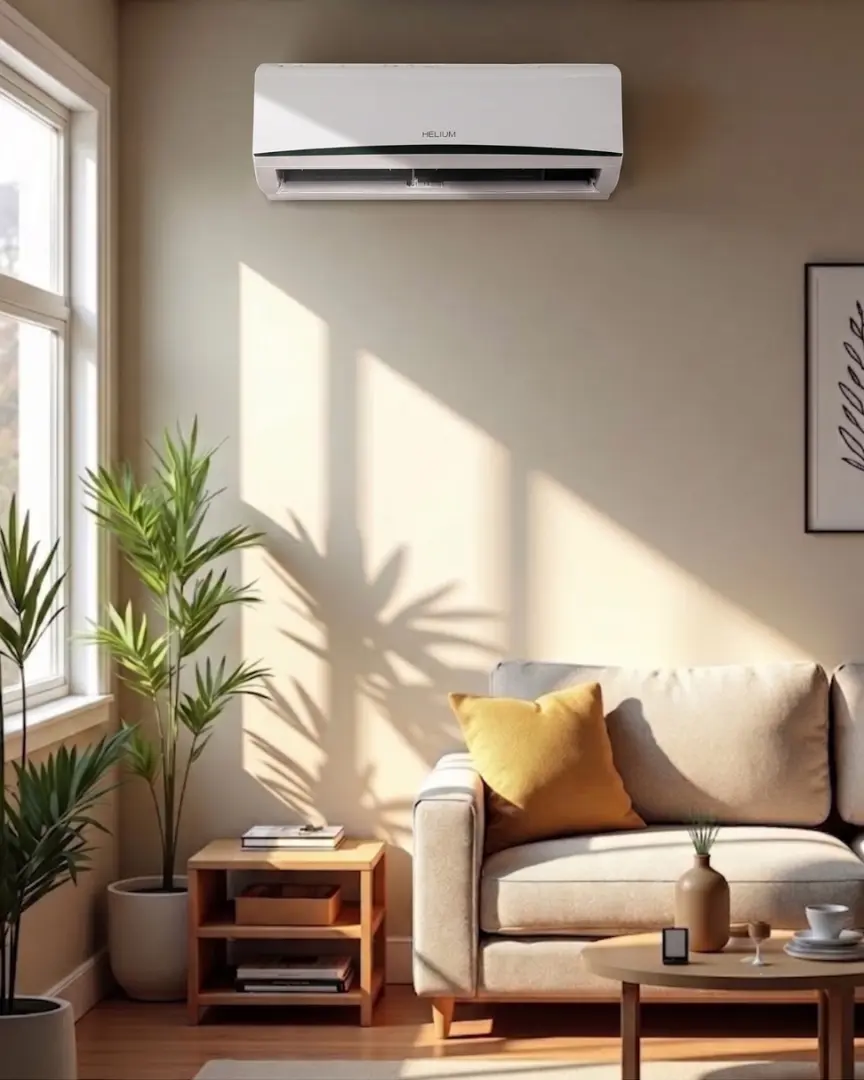
With the right care and smarter technology, you can ensure consistent, efficient cooling all summer long. After all, modern air conditioning isn't just about cooling anymore, but about intelligent comfort, energy savings, and complete peace of mind.
FAQs
Q: Why is my AC not cooling properly?
The most common causes are low refrigerant levels, a dirty or frozen evaporator coil, a blocked outdoor unit, or an incorrect thermostat setting (like fan mode instead of cool mode). Most of these are easily fixable without needing a full repair.
Q: Why does my AC's evaporator coil freeze up or get iced over?
Low refrigerant levels unbalance the cooling cycle, causing the evaporator coil to get excessively cold and form ice. As this ice melts, the resulting moisture attracts dust more easily, which is why frozen coils often lead to faster dirt buildup too.
Q: What temperature should I set my AC to for the best cooling and efficiency?
Between 24-26°C is ideal. Lower temperatures don't cool the room faster - they just make the compressor work harder and increase electricity consumption.
Q: How often should I clean my AC's air filters and outdoor unit?
Air filters should be cleaned every few weeks since dust builds up quickly, and the outdoor unit should be kept clear of dust, leaves, and debris regularly so it can release heat efficiently - both directly affect cooling performance and electricity use.